article
Spirits of the Nine Emperor Gods
THE skies suddenly start to open up the moment my bike banks left into Jalan Gangsa. Rueing my foolishness for not heeding my wife's sound counsel to bring along a rain coat, I hurriedly coax my trusty old Honda C70 to accelerate well beyond its usual mediocre speed.
THE skies suddenly start to open up the moment my bike banks left into Jalan Gangsa. Rueing my foolishness for not heeding my wife's sound counsel to bring along a rain coat, I hurriedly coax my trusty old Honda C70 to accelerate well beyond its usual mediocre speed.
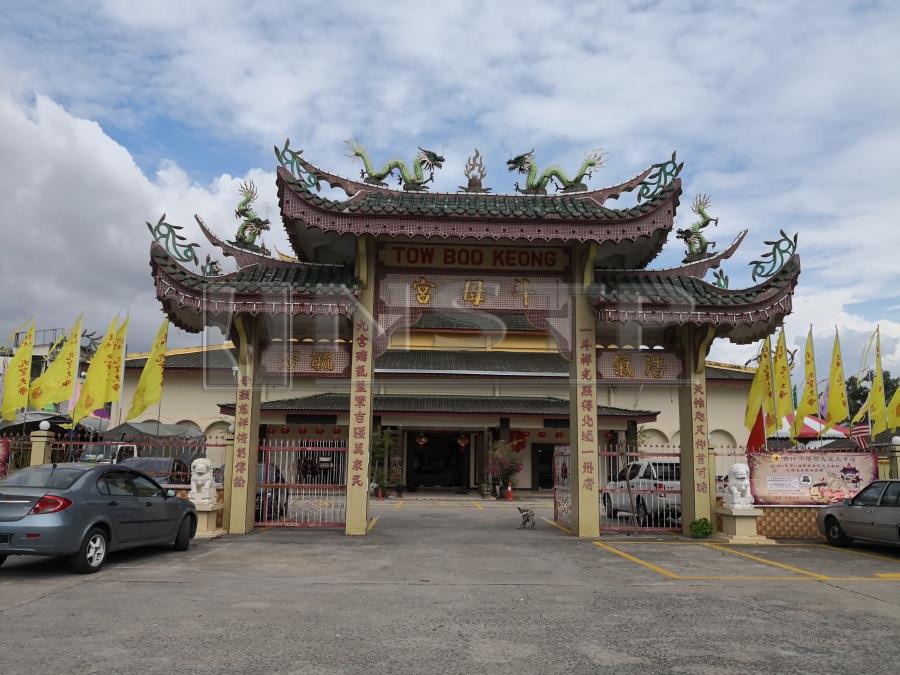
Soon enough, the red and yellow pennants lining the sides of Alor Star's Tow Boo Keong Temple come into view. I heave a sigh of relief. It will not be long before I reach the safety of the food stalls lining the road in front of the temple.
Despite the heavy downpour, the temple grounds is a hive of activity as dozens of devotees and volunteers join hands to make last minute preparations to welcome the Nine Emperor Gods Festival which lasts for nine days, starting from tomorrow. It’s the first day of the ninth month in the Chinese lunar calendar. Apart from joining in the festivities, my wife and I always look forward to the savoury vegetarian fare sold here.
While waiting patiently at my place at the back of a snaking queue, I overhear snippets of conversation between two elderly ladies standing in front of me. Both animated, they’re talking about the impending festival. "This is a great opportunity to find out more about the Nine Emperor Gods (also known as Kew Ong Yeah in the Hokkien dialect)," I tell myself, inching closer to listen.
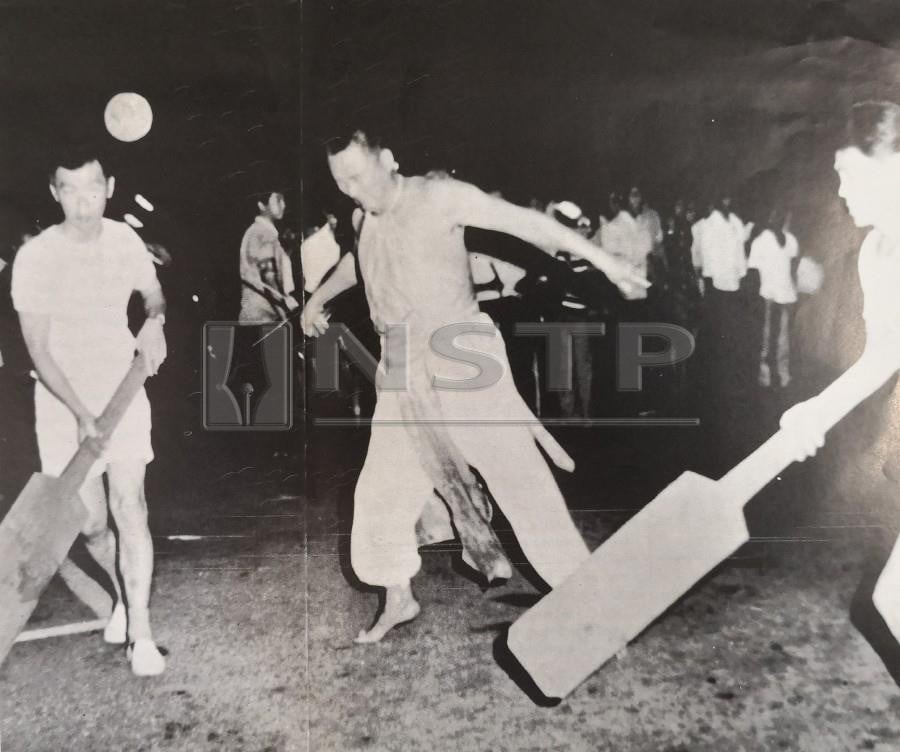
Fire walking is used for purification purposes.
DEVIOUS MAGICIAN
To my delight, the duo skews their conversation towards one of the lesser known myths related to the origin of this important Chinese celebration. Their version, dating back to the Han dynasty, tells of a Taoist magician Zhang Daoling who gained fame by using charms and talismans to alleviate the suffering of victims who sought his service. Zhang charged a standard fee of five pecks of rice for each person who was cured.
The magician's remedy was so effective that he soon became very wealthy and powerful. Zhang's influence grew so immense that he no longer bothered to pay taxes to the Emperor. At the same time, rumours began to circulate saying that the powerful magician, with his in-depth knowledge of the dark arts, was the primary source of the epidemic plaguing the people. The rumour mongers alleged that Zhang had purposely spread the terrible disease to make the people turn to him for remedy.
News soon reached the ears of the Emperor in the capital. Furious at the rumoured misdeed, he summoned Zhang to the palace with the intention of teaching him a lesson. Prior to the magician's arrival, the Emperor hid nine brotherly scholar-musicians in the audience hall's secret chamber and ordered them to play eerie music as soon as an agreed-upon signal was given.

Devotees offer prayers during the Nine Emperor Gods festival procession.
Everything went as planned and the Emperor put on a good act, imploring Zhang to help exorcise the spirits that were causing unrest in his palace. The guards and courtiers present at the scene could hardly contain their excitement as they were certain that the magician would fail and be severely humiliated in the process.
Realising that it was a trap, Zhang kept his nerve and calmly surveyed the hall. Then, he unfolded his magic fan which immediately revealed the position of the hidden musicians. The magician recited incantations and brought forth a pouch containing rice and salt before scattering the contents on the floor. Finally, Zhang wrote several enchanted spells on the mixture using his magic sword.
source : https://www.nst.com.my/lifestyle/sunday-vibes/2018/10/421278/spirits-nine-emperor-gods


Comments
Post a Comment